The Dis-ease
The essay “The Dis-ease” previously appeared on Jeannie’s Substack. Subscribe here for monthly updates!
Many years back my doctor prescribed genetic screening because of a history of cancer in my family. A finding that had been inconclusive seven years ago was now raising some concern and so I recently returned to Dana Farber Cancer Center in Boston to have blood drawn for an additional screening. As I sat in the waiting room with dozens of patients undergoing cancer treatments, I couldn’t help but count my blessings.
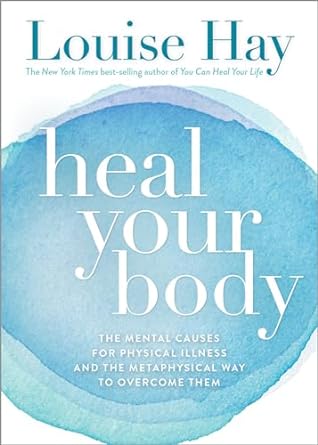 Later, out on the sidewalk, surrounded by scores of pedestrians, I couldn’t help contemplating these fragile vessels that carry us through life. Our bodies. We come in all shapes and sizes, yet signs of a healthful state and symptoms of “dis-ease” are manifest. Whether it’s weight loss or weight gain, thin hair, or an ashy complexion, our outward appearances can reflect whatever pain or ailment we are carrying inside. And it doesn’t need to be as serious as cancer. In HEAL YOUR BODY by Louise Hay, she ties all physical ailments, every state of dis-ease, to some emotional wound.
There’s also the fact that our environments, over much of which we have no control, impact our well-being. The quality of our air, our water, noise pollution, even our access to nutritious food are often out of our control, dictated by our neighborhoods, our parents, and socio-economic factors in general. From the moment we take our first breath, we are vulnerable to the state of our environment. It had always been my ideal that the powers that be were looking out for us. I was raised to believe I lived in the greatest country on earth, and yet…. And yet life expectancy in the United States has been in decline and ranks 47th among countries across the globe.
Digging into one factor, such as the food system, feels like I’ve uncovered a betrayal. True: Post WWII farming techniques and mass food production provided unprecedented calories for a growing population, but at what cost? Feels like the bill is coming due. I don’t want to point the finger at big corporations alone, because the consumer should also take some blame. So many of us are city dwellers who have become increasingly detached and disinterested in where our food comes from. As Americans we have been conditioned to value price and convenience over the quality.
We have raised a generation of young people whose answer to where their food comes from is, “the grocery store.” In addition to not appreciating one’s local, seasonal food harvests, people are making increasingly unhealthy food choices even when they have an array of options. Big packaged goods companies are being asked to manufacture healthier products, however they are able to point to current trends that indicate sales of food like cookies and chips have never been stronger. The impulsive eating of junk food is actually on the rise.
Besides emotional wounds and our environments causing dis-ease, it seems the dire state of the world is contributing to disease in myriad ways, Besides the stress, we are finding escapism in a pint of ice cream or a bag of chips. Maybe in drugs or alcohol. We know they aren’t good choices, but we make them anyway. It’s a classic “What the hell” attitude, behavior symptomatic of sinking hope. Whether it’s the climate, national politics, senseless violence or wars being fought across the globe, there are plenty of reasons to be worried.
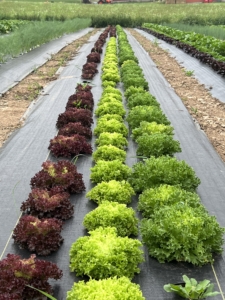
The problem is that our societal state of dis-ease is gaining momentum. Where will the positive energy come from to start turning things around? During the process of starting the farm, I’ve been doing lots of reading, researching, and learning and the good news is that that are great things happening and great people making a difference. But don’t be intimidated, one doesn’t need to take on a major enterprise in order to have an impact. Individuals can make a difference everyday. Expressing optimism and kindness create upward spirals of energy on their own. A few other ideas: take back our attention spans by resisting our electronic devices, take time to sit and read a book; invest in relationships, buy local, organic, seasonal food and if your local grocery store doesn’t do a good job, make some special requests , seek out a farmer’s market or CSA; Compost food waste; plant a garden or even better a tree. Believe in love. Believe in the ripple effect. Keep it simple.



Leave a Reply
Want to join the discussion?Feel free to contribute!