Matriarchy

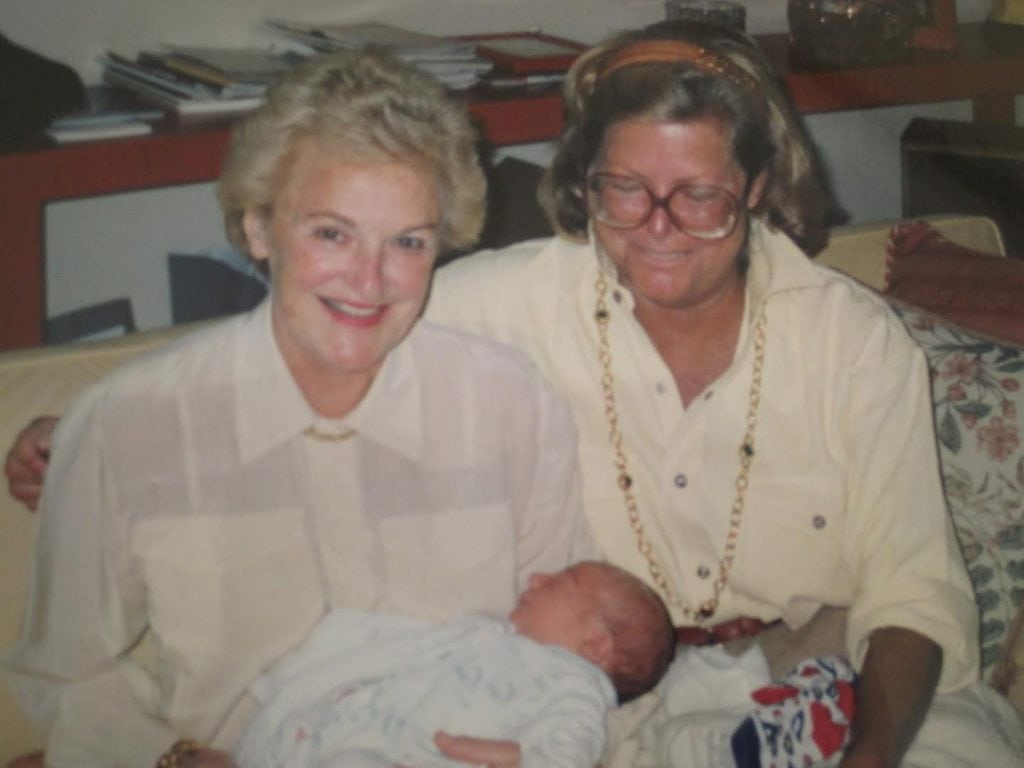
During my lifetime, the closest thing my family has had to a matriarch was my grandmother, not in the fact that she “ruled” our family but she lived until she was 96, was elegant and stately and was greatly admired by the generations that came after. She was my father’s mother, and come to think of it, she probably was the only one who could influence his thinking with a subtle nod of approval or disapproval.

The first matriarch of the Meister family in my novel, EDEN, is Sadie (Sarah). In the book of Genesis, Sarah, wife of Abraham, was also the first matriarch. Sarah was venerable and beautiful, and it is from her that all Israel is descended. But in true Old Testament fashion, Sarah is also depicted as an imperfect human. It is said that Sarah was a prophetess and knew the way things should play out, but when she insisted Abraham banish Hagar and Ishmael to the wilderness, it probably wasn’t her finest hour. One can just imagine her in a jealous snit, putting her foot down with Abraham. The subsequent matriarchs in the book of Genesis are Rebecca, Rachel, and Leah who go on to birth a nation despite their human frailties.

It has always been comforting to me to study Genesis in that it emphasizes that the holiest figures in the Jewish religion are just regular, imperfect, people. And although the book is not without its patriarchs, it is first and foremost a book of matriarchs. The insights of its wives, mothers, and midwives, who often made things happen behind the scenes are responsible for the flourishing of the Jewish people. In addition, the book’s themes of familial struggle, including sibling rivalry, jealousy, and rebelliousness are those that we recognize in our own families today. And although, it is sort of discouraging to think that humans have had the same weaknesses and relationship issues for ages, I find it a consolation.

Patterns in families repeat themselves, in Genesis as well as in real life. The pattern of unplanned pregnancy repeats itself for three generations in the Meister family of my novel. A wise matriarch once said that one shouldn’t be defined by the surprises in her life, but by the way she responds to those surprises. So, possibly, as we evolve as people and as mothers of a people, may we learn from history and try to do a little bit better in our lifetime.


The Mother – Daughter thing

mother and daughter

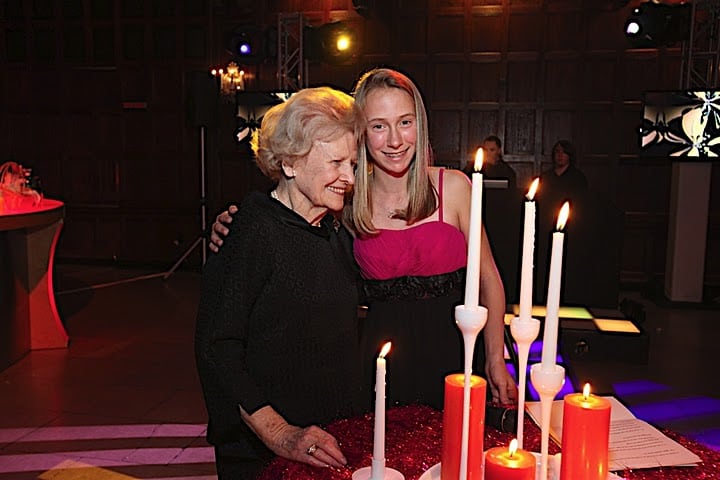
I remember how painful our arguments were. Worse than arguments, they were downright fights, awful to even recall now. As a daughter I failed at the mother/daughter relationship. But as a mother, I am getting a second chance. So far I would say it is going pretty well. Annie is 19 and heading off to college in the fall. She is strong and intelligent and driven and caring. My mother would be so proud of her namesake. I am so proud of her. She is kind in a way I never knew how to be. She is by no means perfect, and can have plenty of attitude as any teen might, but she and I are very close. We laugh about the myriad ways I have ‘ruined her’ as in set her up for emotional trauma later in life, but the important thing is that we laugh about it. If I can get this relationship right on the second go round, it will be the greatest accomplishment of my life.

Naming

My youngest child, my daughter, is named after my mother just as I was named for my grandmother. I never got a chance to ask my mother specifically what her motivation was when she named me or what her mother’s reaction was to the tribute. She’d let me know that naming me had been stressful, she had come up with two names that got shot down by both my father and her father before, Jeanne, her mother’s name, stuck. When my grandmother died, two years later, at the age of fifty-four from ovarian cancer, my mother, still so young herself, suffered a brutal blow, something she never quite recovered from and I knew even as a little girl that asking questions about my “GiGi” might unleash an emotional churning that was best to avoid.

When I was pregnant for the third time, my husband and I discussed many name possibilities. I was led to believe I was having a boy (because of a slow heart beat) so didn’t really focus on girl’s names. Truth be told, I was happy being the mother of boys. Mothering boys would allow me to dodge the minefield of mother/daughter sparring.  So as unfamiliar as a family of boys was to this female only child, I was more than happy to take it on.

In the delivery room, however, when I was presented with a baby girl, I sort of lost it with excitement. Turned out I’d been in denial with that ‘I’d be happy to have only boys’ stuff. I guess down deep I did yearn for a child I could relate to as a woman. Absolutely over the moon, so full of hormones and emotion that my heart completely took over, I sort of surprised myself with the decision to name her, Anne, after my mother. It just seemed liked what was supposed to happen.

Even though I never asked my mother about the motivation behind my naming, I can tell you what I was thinking when it was my turn. Naming our daughter after her grandmother was an expression of love, not just love but also honor and respect to a woman who didn’t always feel that I honored and respected her.  With that one act, I was finally able to express what I had never been able to put into words.