Thirty Day Challenges- Life as a Laboratory

Thirty days is the perfect amount of time to experiment with something new and different. How often do we look back at a month or four weeks and think, “Where did it go?” Thirty days is a long enough period of time to really accomplish something, while its short enough to convince your mind to stick with a little discomfort. Some people can learn a language in thirty days. I have even heard of some who have written a book!

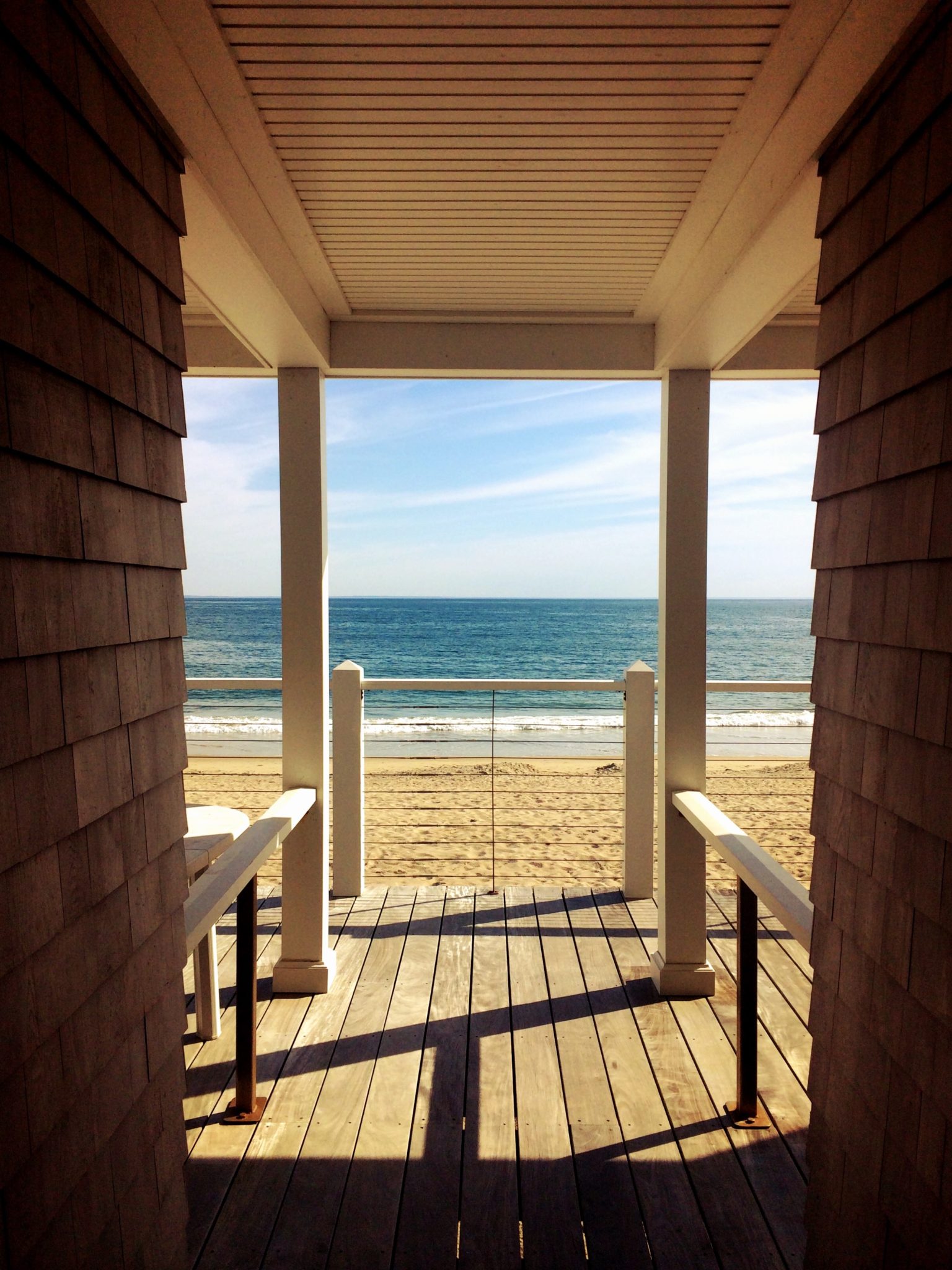
Over the last several years my husband and I have conducted various thirty-day experiments. We woke at 5am every morning to meditate. We were gluten free for a month and tried various other diets. I swam in the ocean every day, and I wrote a poem or a letter to a friend every day on other go rounds. Some practices stuck, others were tossed out as no fun (see gluten free).

Most recently I conducted a thirty-day experiment in Utah… a self-induced retreat where I detached from my regular life. I planned to ski every morning, write the rest of the day, and go to bed early. First of all, let me state that I recognize how fortunate I am to be able to choose such a thing, but in various ways, big and small, everyone has the ability to make a thirty day change. In January 2017 we leased a house in Park City for March 2018, and it was a good thing we did it so far in advance, because for a period leading up to departure, I was filled with regret and doubt: a combination of having to decline fun invitations and worrying the snow wasn’t good, and then there was the underlying expense of it all.

A month can get committed away if the calendar isn’t safely guarded. That it is why it is important to plan ahead and create an intention around a thirty-day experiment. I’d always loved the idea of being a ski bum out west, and am actually considering it full time (ssh that’s a secret), so I tried the life for thirty days – bought a pass – and was the first one in the lift line to the point where the operators started to recognize and expect me. I’d always envied locals who enjoyed the liberty of skiing as little or as long as they felt like. It’s the opposite vibe of family weekends where we had only two days and we’d paid a fortune, so we were going to ski all out no matter what the conditions were.

I was excited the rental house was close to a lift, but it was the slowest ride ever. As the fresh air cleared (some of) my type A personality away, I used the time to meditate, or to just absorb the colors – blue sky, white snow, green pine trees. Despite a blanket of snow, birds chirped every morning. The clocks changed, the spring equinox arrived, and the sun grew warmer. The altitude was something I had to adjust to, my heart beating a little faster and my body thirsty for water most of the time. The landscape dragged me back to the basics.

Meditation on the lift was useful, but nothing forces me into the present moment like downhill skiing. When carving and picking up speed, there can be absolutely nothing else on one’s mind except where to make my next turn. Returning to my desk, it was easier to approach writing with the same single-mindedness.

My motto for the thirty days was simplicity: dress simply (long johns), eat simply (loved the burritos at El Chubasco), and enjoy being alone (with my dog). I experienced solitude while a vibrant town buzzed around me. And I made a brilliant decision while I was there – to do it again in March 2019!

In Preparation for Passover

We hosted our first Seder as newlyweds in Cincinnati with other transplant friends, and later in our walk-up on Hancock Street in Boston when our kids were little. On Hancock Street, we’d gather snugly around a dining-room table (which now serves as a kitchen table in our current home). I recall those evenings as harbingers of spring, sunlight angling through sooty, city windows, shining on the yellow daffodils I’d purchased at the grocery store. My little girl in a white short-sleeved dress and patent leather shoes – I hadn’t fully committed to Judaism and the décor was some version of Easter.

If there is any one tradition or holiday that sold me on the Jewish religion, it was Passover. I have the fondest memories of being dazzled by the Oelbaum’s Seder as a young girl. Again, John and I were invited to the Meisel’s Seders in Cincinnati where I aspired to ever having a family that would interact with such passion.

By 2004,  I’d converted, the kids were on their way to becoming bar and bat mitzvah, and we moved to Chestnut Street. While John and the kids may have been excited about other characteristics of our new home, like a big TV in the family room, or a bedroom of their own, I fell in love with the dining room and a long table that would become an altar every Friday night. I had visions of progeny around that table every Passover.
Preparing for Passover is the beginning of the spiritual journey.

I reflect on all the Jewish women making pesach in their homes as I do in my mine – cleaning, weeding out, preparing for renewal. I also think of all of the women over the past three thousand years who’ve prepared in similar ways right at this point in the calendar. Our conveniences and techniques are different, but we are connected by the desire to sanctify our homes, transforming our dining rooms into holy places.

I also recognize non-Jews who strive for the same harmony in their homes, a holiness stemming from love of family and raising children. As mothers and hostesses, keepers of an unspoken, domestic religion, we all share a generosity of spirit and sustenance.

On the morning of the Seder, with the air rich with hyacinth, I billow a crisply starched, white tablecloth over the dining room table, and honor my matrilineage. The linen napkins were passed down from my maternal grandmother, my namesake, Jeanne Wilmarth Hallenbeck, a women who passed away when I was two but who I’ve heard scores of stories about from my mother. I have a black and white photograph portrait of her framed on a small pantry counter just outside the dining room. She is holding a bouquet,  the maid of honor at her sister’s wedding. I imagine her very social era of luncheons, teas, and dinners when it was common to have several sets of placemats, dinner napkins, and luncheon napkins all with embroidered monograms. Receiving them myself as a young bride, I was afraid to use them for fear of staining. Now, they are a tactile way to remember. Like a black and white Mona Lisa, she radiates an approving smile from her photographed face.

The silver candelabras are from my mother and were wedding gifts from her grandparents. Before everyone sits, I will light their six candles before blessing the festival lights:

Baruhk ata Adonai, Eloheinu melecholam. Asher kidshanu bar mitzvah tov, vitzi vanu l”hadlik ner shel Yom Tov.

May it be Your will, God of our ancestors, that You grant my family and all Israel a good and long life. Remember us with blessings and kindness; fill our homes with your Divine Presence. Give me the opportunity to raise my children and grandchildren to be truly wise, lovers of God, people of truth, who illuminate the world with Torah, good deeds and the work of the Creator. Please hear my prayer at this time. Regard me as a worthy descendant of Sarah, Rebecca, Rachel, and Leah, our mothers, and let my candles burn and never be extinguished. Let the light of your face shine upon us. Amen.

“Regard me as a worthy descendant” – those words echo in my mind as I open my silverware drawer. For a large crowd, I need both my wedding silver, given lovingly by many older relatives, as well as my mother’s silver, which had been passed down from her grandmother. As I squeeze together enough place settings, I smile at how large our Seder has become.

I open the cabinet holding the special crystal wine goblets. They are Victorian in shape, etched with spring-like floral patterns – they are from John’s great aunts, Lillian, Bella, and Sophie, and his grandmother Rose. These women posed a funny foursome. Lillian, Bella, and Sophie were conservative Jews and very religious. They were old spinsters, living together in Philadelphia and later in Miami Beach, keeping kosher homes. By the time John and I married, Sophie was the only one of the four alive. We visited her in Miami often, and when she heard we were keeping a Jewish home and hosting Passover, she was so delighted she gave us her Seder plate, which she had purchased with her sisters on a trip to Israel.

I set the table with white, gold-rimmed dishes John’s father presented to us in honor of our new home. It seemed as if it had been crated for years. They are from Czechlosavakia had been received by his mother, Rose, as a wedding present from her groom’s family in Europe. I picture her an excited, beaming bride, receiving such an extravagant gift on her embarkation to adult life. Arthur’s eyes tear at the sight of what was once familiar. It’s like having his mother there with us. I know how he feels.

Our Seder table is a living, expanding, combination of the old and the new. There is a silver Kiddush cup I bought John in honor of our new home, and the silver pitchers I bought for the hand washing not long after. There are the colorful Afikomen covers the kids made in Sunday school. Even in their crudeness, I use them as a reminder of how far we have come, both spiritually and physically as a family.

John leads the Seder thoughtfully and deliberately, working from a new Haggadah edited by Jonothan Safran Foer, a writer I very much admire. We upgraded just last year from a more juvenile, story-book version, which had been an upgrade from the days when we photocopied one very traditional version and felt bound by its structure, and cheapened by the flimsy, tearing pages.

When I put the finishing touches on the table, the toys symbolizing the ten plagues, a wine glass for Elijah, a water glass for Miriam, salt water for dipping, I am filled with gratitude. How blessed I am to have a family and friends who want to gather and create a magical evening filled with stories and questions and debate and song. How blessed I am to have children to pass these napkins down to, these dishes, this silver.

The Passover Seder is a telling – the passing down of a story, a story of a people once enslaved and now free, a celebration of our ability to move and act in the world, a story not only of a people, but now my people. Tonight our connection to our ancestors won’t just be spoken, but demonstrated at this table, my altar is a tribute to our mothers past.

John has grown into his role as masterful leader of the Seder. He sends out questions to our guests ahead of time, a custom adopted from Nancy Meisel in Cincinnati. The question is the prompt for meaningful conversation after we’ve had our four glasses of wine, after we’ve told the story four ways and four times, and after we’ve shared the symbolic food on the Seder plate.

Every year John works hard to come up with a perfect, though-provoking question.

Questions in the past have ranged from the basic: if you were leaving Israel, what would you take (akin to if your house was burning and you had to leave in a hurry, what would you take with you?) What are your basics? What are you a slave to? Who is your Pharoah? What is your Egypt? What song exemplifies freedom to you? (That was actually a huge hit and really fun) There is always a lively family group chat in the weeks preceding – with the kids wondering what the question will be this year?

One Passover tradition is to welcome newcomers or strangers, people who don’t have another place to go. Sometimes I worry our first-time guests won’t know what they are stepping into. They may be surprised or intimidated by the question, what do they think when they receive John’s email? Our regulars are a little crazy. There is my young nephew who spews wisdom beyond his years like a prophet, the personification of Elijah himself. We sing and Charlie accompanies on the piano, there is laughter and heated debate. It starts early and goes really late and there is a lot to eat.

This year we will be hosting twenty-one. That old dining-room table / now kitchen table will serve as the extension to our dining room table. Our Seder will be on Friday, April 6, not on the traditional night, but on the Shabbat at the end of the 8-day holiday so we can get everybody home. April 6 is the Sabbath and my mother’s birthday. She would have been 75. I will light a candle for her and one for John’s mother, Mary, her yartzeit being just 5 days later. Their light will shine even more so at our table.

Gratitude and Reflections for a New Year

Before I look forward to 2018’s resolutions, I need to say thank you to 2017.

There hasn’t been a year in which I’ve felt such gratification. Yes, my first novel, EDEN, was published, but that occasion became the catalyst for something much bigger. I often dubbed my book tour a friendship tour because it became an excuse to connect with old friends and make many new ones. Coming out from under my rock of solitary writing, I re-connected with people. I have never felt so supported, not just by friends and family, but by a higher source of creative energy. Whereas my schedule had always felt overbooked and conflicted in the past, author events fell into place almost magically and people appeared along the path at steady intervals to open doors. Approaching each day with an attitude of “yes”, I surfed a wave of generosity, and it was a life-changer.

In 2017, I was the beneficiary of so much kindness, from authors who blurbed my novel to readers who hosted book parties and book club events, to relatives who went out of their way to be supportive. These gestures have permanently changed me. I have always considered myself a “giver”, but from now on I will always say yes when it comes to supporting a friend or another artist, a friend’s favorite cause, or a person trying something new. There is an abundance of love in the world and I am excited to add to it.

Now for doing it better in 2018…..

Even writers with established practices have to make a conscious decision to show up every day. I’ve played around with which structure works best for me and I seem to have the most energy in the morning. But I’ve recently added something new from the “The Artists Way: A Spiritual Path to Higher Creativity” by Julia Cameron, writing long hand morning pages followed by an affirmation before diving into novel revisions.

Morning Pages are intended to serve as a place for unloading the clutter that’s often at the forefront of one’s mind. Whether a writer is aware of it or not, clutter often prevents creativity energy and great ideas from revealing themselves. I typically meditate in the morning with the hopes of accomplishing the same “cleanse”, but for the next month I am going to experiment with both meditation and morning pages. I will need to rise a little earlier in the New Year in order to find time for my ever-lengthening morning routine!

And that leads me to the most important resolution of all! Going to bed earlier….. I am such a disciplined person, but staying up late is a big weakness. Getting up an hour earlier every day could lead to so much….. Here we go!

Thinking about Adam, Eve, and the Garden

As I’ve traveled from place to place over the past seven months talking about EDEN, it has been revelatory that many readers do not connect my novel with the metaphor of the Garden of Eden. I would have thought the book’s title would be the first giveaway. This is less a commentary about people’s comfort with biblical references, than a testament to the fact that Eden has become a common term in our society’s vernacular. It stands on its own, independent from the Bible as a synonym for paradise.

In late October, I attended the Boston Book Festival as both a presenter and an interested member of the audience. My husband and I attended a fascinating discussion with Stephen Greenblatt, author of the recent book The Rise and Fall of Adam and Eve. In his wonderful and scholarly book, Greenblatt examines the story through history’s eyes: from the point of view of scholars, and artists, and poets and questions what it is about the story of the Garden of Eden that proves it to be “so durable, so widespread, and so insistently, [and] hauntingly real.” From examinations of Durer’s art to Milton’s most famous work, it is a sensational book, which I recommend highly.

The story of Adam and Eve certainly shaped society’s concept of marriage: A man shall leave his father and mother and shall cleave unto his wife: and they shall be one flesh…. an ideal concept at that. The story goes on to provide imagery for what is good and what is evil. It gives us the first documentation of  sin. It provides fodder for the characterization of women as manipulative and conniving, and for men as laborers and providers. I would challenge someone to come up with a story that is as impactful as this one on how society defines our most fundamental relationships.

Its structure is ingrained in us, an archetype. There is a man and a woman. They are placed in a paradise. There is temptation. They want more. There is a decline and an expulsion. They go on.

I recently read Crossing to Safety by Wallace Stegner, one of those books that is referred to time and again by writing teachers, while Greenblatt sat on my bedside table, and grinned at the reference to Sid and Charity’s Vermont utopia as ‘Eden’ – and of course this ‘Eden’ doesn’t last. The grand home in my novel is also named “Eden,” but in a tongue-in-cheek manner meant to foreshadow pitfalls on the horizon. I can’t help shaking my head when coming across locales dubbed “Eden” – Bar Harbour, Maine was originally named Eden, for example. Many people seem to want to memorialize paradise, possibly forgetting the second half of the story.

Instead of place, I like to think of Eden as the state of innocence one experiences in childhood; an innocence that inevitably disappears once the complications of adolescence and adulthood take hold. The Adam and Eve creation story is compelling for all it evokes around the relationships between man and woman, but its early setting, that moment of perfection is what strikes me. It is a moment with a special place in the recesses of our collective memory.

Handwriting – On and Off the Wall

I attended the Brooklyn Book Festival a few weeks ago on a beautiful Sunday afternoon. Two other She Writes Press authors and I had a fruitful day talking to readers and selling our novels. When a friend of mine stopped by to purchase a copy of EDEN, I took an extra moment to write a special inscription before signing my name. She showed her young nephew the page I had just personalized and, to my surprise, helped him decipher the language as if it was hieroglyphics.

“Kids can’t read script these days,” she said.

That statement has stuck with me for weeks. If kids can’t read script, they obviously aren’t writing in cursive either. Gone are the days of lined paper and elementary school lessons in handwriting. What a shame, because the act of writing, freely, by hand, with flow, is a cathartic, wonderful experience. Will the only option for future generations be to use a keyboard? Along with the artistic flare of handwritten verse, we’ll such a beautiful glimpse into a person’s personality…

Having saved many of my mother’s personal belongings, one of the things that still jolts my heart when I glance at it, is her tattered address book, filled with entries in her handwriting. Seeing her handwriting takes me back in time to a place where she mailed me letters, left me notes, jotted grocery lists. Her handwriting is so uniquely hers, pretty, casual, loopy, easy, educated. (A natural lefty, my mother was trained to write with her right hand in a classroom in the 1950’s where her left hand was tied to the chair.) There are also cards and letters delivered by the mailman that make a smile spread across my face upon  recognizing the handwriting on the envelope. (Snail mail, can you believe it?)

There is definitely a feminine style and a masculine style of cursive. There’s a well-mannered style, and a rushed style. A good friend of mine might expand more on this topic as he recently confessed that his shtick analyzing hand-writing on cocktail napkins has become a successful conversation starter in bars…. Wink wink.

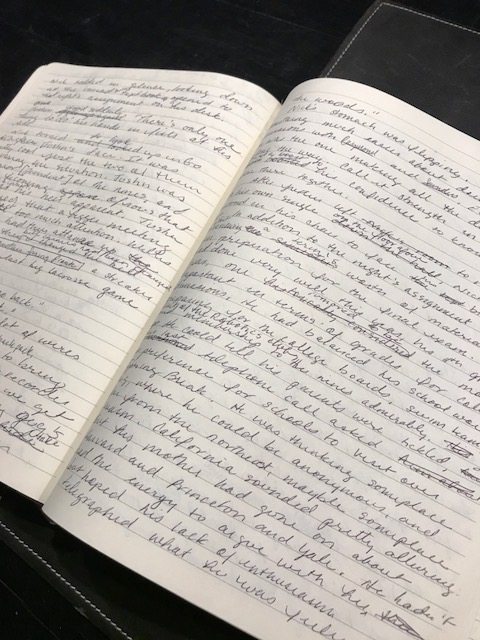
People often ask me where I like to write and if I have a routine. I do have a routine, but sometimes my most creative moments are when I buck the routine, get out of the house, and write free hand in a moleskin journal. I can rif for several pages on a minor topic, or I’ll often pull the car over and write part of a scene. Guess what kids, script is fast, no need to lift the pen, and doesn’t require battery power!

An end cap to this handwriting obsession came last weekend in Yom Kippur services. The rabbi’s sermon included a reference to Daniel at Belshazzar’s feast where he was the only one who could read the writing on the wall…thus coining the phrase….and being the only one at the feast who was able to warn the King that his days were numbered.

Will cursive become our generation’s secret code? A relic from the old days that only people of a certain age can read? I feel ancient just writing this blog. I make a real effort to live a young life, but when a kid stares at my book inscription like it’s something from Land of the Lost…. Oh my.

Purification: Gratitude in Simplicity and Newness

purification

The essential oil I’ve been rubbing on the souls of my feet the past few mornings is called “Purification.” It sits by my yoga mat and because I ran out of my favorite lavender oil, I have been using it instead as a sensory boost. After all, purification is a lofty ideal. When I later learned, however, that the blend was intended to battle bad smells, I laughed.

Approaching the Jewish High Holy days, I’d had a different kind of purification in mind: atonement, making amends, an overall spiritual cleanse. It’s the time of year when things start up again, school is back in session, vacation is over, and, no matter one’s age, the opportunity to start fresh hangs in the crisp fall air.

In my musing about purification, I realized I have the most elemental cleansing agents at my front door: fire and salt water. I do not have to buy these things in a pricey glass bottle. They are not in short supply. However, coming into contact with fire, one is more often faced with destruction than purification. My brother and sister-in-law recently suffered a bad fire in their home. In dealing with their loss during the aftermath, fire was definitely cast as the enemy. Despite the upheaval the fire caused, it also stripped away all their accoutrements, taking them back to the basics. Shamans and healers have often used fire in renewal and purification ceremonies. Fire results in rapid transformation and releasing drama. Fire simplifies.

Don’t worry, I wasn’t so insensitive as to mention the silver lining of a house fire while my displaced relatives camped out with us.

Our home is surrounded by seawater, also a well-known cleansing agent since the beginning of time. John had a great aunt in Miami who used to trudge her dishes down to the sea whenever her kosher kitchen was compromised. And in my quirky old-wives tale mentality, I’ve always praised seawater as a cure-all. When my kids battled poison ivy or warts or a bad complexion – forget the dermatologist, jumping in the ocean was my prescription. Yet when my other set of in-laws called this morning to say their home in Florida was being ravaged by rain and tidal surges caused by Hurricane Irma, the whole purification angle didn’t seem the right place to venture.

My sister-in-law warned I should be on the lookout for locusts. At least we’re still laughing. Did I mention that the house fire was caused by a burning bush? There are signs all around us.

In EDEN, the Meister family rebuilds after the 1938 Hurricane, in the spirit of renewal and getting back to basics. But nobody can build a fortress against human nature. Vulnerability is at the core of what it is to be human.

Later this month, I’ll be in services with my family. I’ll be asked to take personal inventory, to recall how “I’ve missed the mark in the past year”, all in a quest for something akin to purification. There will be no salve to aid in the work the liturgy asks of me. My mind will undoubtedly wander, until I start dwelling on the people who aren’t with me anymore. Every autumn I’m asked to walk through the metaphorical fire, where I’ll well up with actual salt-water tears. Opportunities for purification abound, however, they never come in a bottle.

Summer Balance – Surrender and Patience

This summer, like most summers, is passing too quickly. There never seems to be enough time to fit in all the things I’ve dreamed about over the winter. Today, for example, I have many projects that need attention; however I haven’t been to my favorite yoga class in a while and my son is here for the day and wants to “play.” A writer’s life, I’ve learned, is one where there is always something hanging overhead, the sensation there is always homework due tomorrow.

A teacher advised me last spring that writing is all about patience and surrender. Spending time with the words on a page, with a story, and with characters, the writer is a witness to what emerges.

As I’ve discussed EDEN at several book events in the past three months, there is one question that invariably arises from the audience: “Are you working on another book?” And the answer is YES, and I even have a third in the back of my mind. After a brief description of what is in store, I can’t help but feel a sense of urgency to get home and finish up book number two and deliver it as quickly as possible to the marketplace. That desire to please and perform is an inherent part of my nature.

And even though the manuscript is strong, like a good tomato sauce, it can’t be rushed, needing to simmer for the characters to develop and for the story to take on a depth that I can be proud of. My challenge will be to deliver something timely without sacrificing quality. I know it will get there, not magically, not passively sitting on the stove, but with my stirring in the herbs and tending to it lovingly.

This morning, my garden needs attention, and there is an interview I should write up, but I also crave quiet in order to take on deep work. Yesterday’s solar eclipse was one of those events that got me thinking about the grandiosity of the solar system and the universe and the scope of my life within it. And so today, I am going to reset, say goodbye to frenetic, book promoting energy, and slow down. I am going to enjoy my beloved yoga practice and approach the day with surrender and patience. After all, I’ve already written a blog post this morning.

A Tree, A Son, and A Book: A Different Take on Mother’s Day

I published this article on Huffington Post on May 9, 2017.

Renowned Cuban poet Jose Martí underscored the human need for creative expression when he wrote, “There are three things every person should do in his or her life — plant a tree, have a son, and write a book.” You don’t have to take Marti literally to understand the crux of his message : CREATE! To create, and more importantly to leave a legacy, whether it be with plants, people, or art and ideas, is critical. Martí’s quote suggests that creating something where nothing had been before is at the core of a life’s purpose. As we approach Mother’s Day, a day sometimes filled with more longing than joy, it helps to reflect on the spirit of Martí’s quote and celebrate the grander, creative impulse swirling throughout the universe, which is accessible to everyone, all the time.

I lost my mother thirteen years ago, and I lost my grandmother and mother-in-law each about two years ago. Since then, I’ve had nobody to send a Mother’s Day card to. A weird way to think about my loss, but still, a socially imposed loss to pile on top of the real grief. And, as for being a mother myself, there was nothing quite as humbling. I never felt as if I “created” my children, that I could take “credit” for them, but that they were placed in my loving care until maturity. Of course they were conceived inside my body, but they emerged such strong individuals, I was sometimes put off balance. It’s an oversimplification, but my role was to tend to them: water them, pull some weeds, for sure, but mostly provide fresh air and sunshine. Akin to the realization that comes after any all-consuming endeavor, my children shaped me as much as I shaped them.

On Mother’s Day 2015, thirty days after my mother-in-law’s passing, my husband and I planted a sugar maple tree in her memory. I planted tulip bulbs about her base to bloom in May and we enjoy her fiery red foliage in September. As for my own mother, I remember her while toiling in the flowerbeds, her energy humming about like an insect in my ear.

Now in my back fifty, I’m fortunate to have sent my adult children off into the world. I’m fortunate to have cultivated a garden and planted trees. And now I’m equally humbled to have published a novel, EDEN, which was just released last week.

EDEN is a family saga, but it’s also a book with some important ideas. It’s a book I wrote to honor the mothers who came before me: my mother, mother-in-law, and both of my grandmothers. It’s fiction, but I hope it also puts a voice to things they were not able to speak about during their own lives. It’s a story whose ideas are also important for our daughters to read, so that they don’t take their opportunities for granted.

And so the cycle continues. The nurturing I received from the “gardeners” of my youth instilled in me a desire to cultivate another generation: of children, trees, and stories. And I have been blessed. “To plant a tree, have a son, and write a book” results in a life filled with love, loss, heartache, ideas, art, and a connection to the earth. That’s what I plan to celebrate on Sunday.

Spreading Her Love: The Ritual of Letting Go

My Mother’s Yarzheit…. Sedona, AZ March 21, 2017

Some people can barely suppress their shock when I tell them I am still spreading my mother’s ashes, 13 years after her passing. Most people don’t have such authority when it comes to these types of things… there are typically other opinionated relatives to contend with. And there is typically one favorite place or a family homestead, an obvious choice for a person’s eternal resting place. Parceling out my mother’s ashes might seem sacrilegious. But we didn’t share much religion. I don’t have siblings, my parents divorced, and at the time of her death, she had no real home. When special delivery rang my bell in Boston with a box from the crematorium in Florida, my insides ached all over again with the stabbing pain I felt upon first learning of her death. Only a couple of weeks had passed, but this box, so heavy and tangible, its ordinary card board covered with packing labels and stickers, offended whatever equilibrium I’d gained.

I had no idea what to do with it.  She hadn’t left instructions, there was no right answer. So I came up with something that felt right to me. My mother’s cremains have become the vehicle for my honoring her over and over again. Instead of performing one ritual, I’ve carried out many private rituals over the years. Her ashes have been judiciously spread all over the globe. My mother rests in places she would have liked to visit, from the southern tip of Chile to as far north as Iceland.  The weekend before she died she spoke of taking a trip around the world. My reaction back then, given her health, had been skeptical.  So now, it seems only right that I bring her along with me.  Her first journey with me was to the great barrier reef in Australia.  My mother loved to snorkel and talked about wanting to visit there for as long as I can remember.

The bulk of her ashes sit with me in Boston. She is in a beautiful green-glazed, ceramic, ginger jar from China, sitting on a shelf close to where I write. But whenever I pack for an exotic destination, I spoon a little bit of my mom into a Ziploc bag. Scooping up the white granules with a kitchen spoon is strange enough, and I imagine many wouldn’t have the stomach for it, but it’s allowed her to join me in Australia, Africa, Bhutan, Peru, Patagonia, the Alps, and the Rockies. She even summited Mt Kilimanjaro. She’s been sprinkled off the top of many spectacular mountains. Honoring my mother in this way has kept us closer than pure memories could have.  I carry my mom in my heart and mind, but there’s also a little bit of her tucked inside my luggage. I’ve recited a prayer of love to her as she scatters into the wind, often with friends by my side, or with my husband and children.  I sometimes take traveling companions by surprise when announcing, “this is the place.”  Then performing yet another letting-go ceremony.

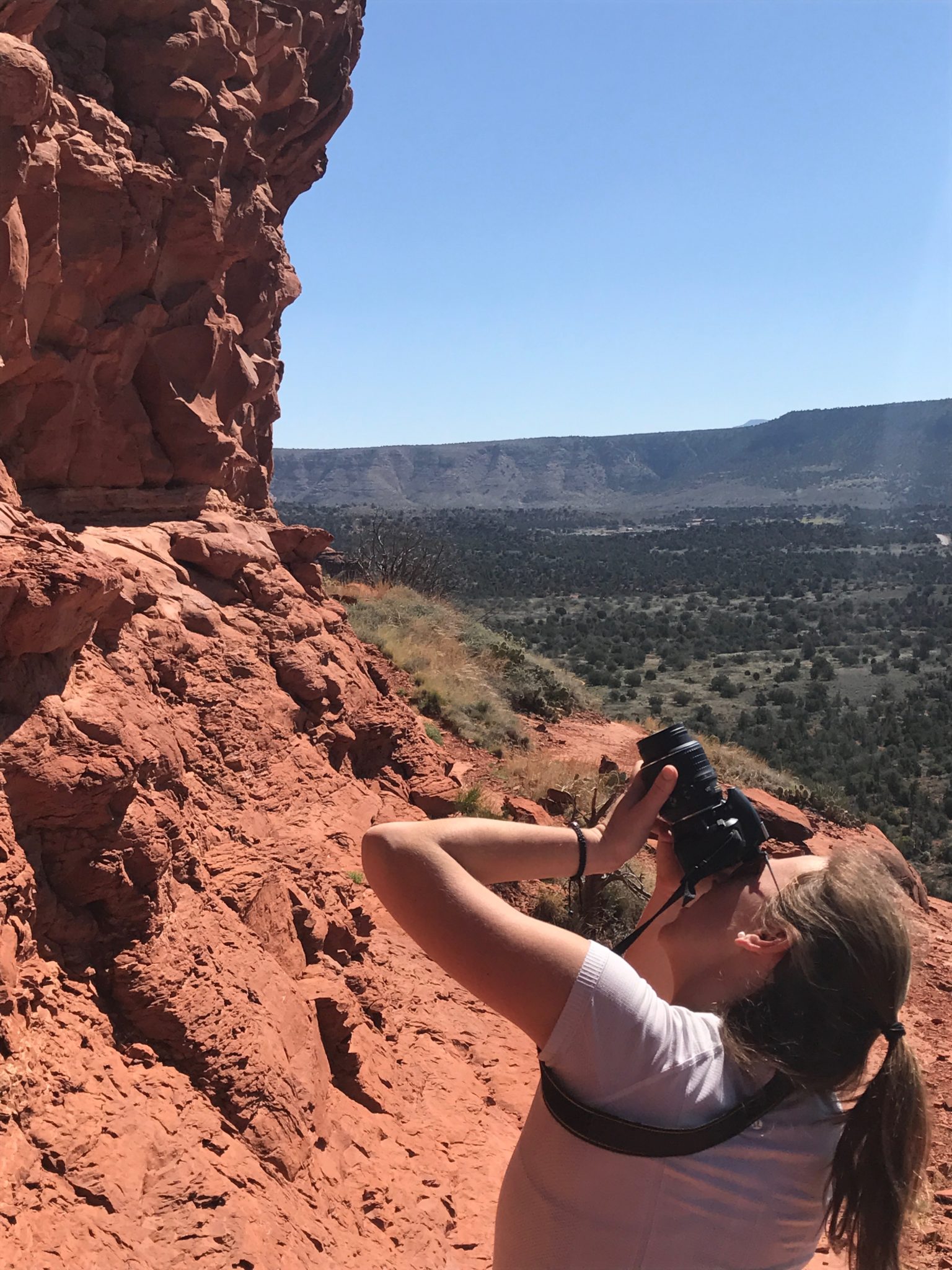
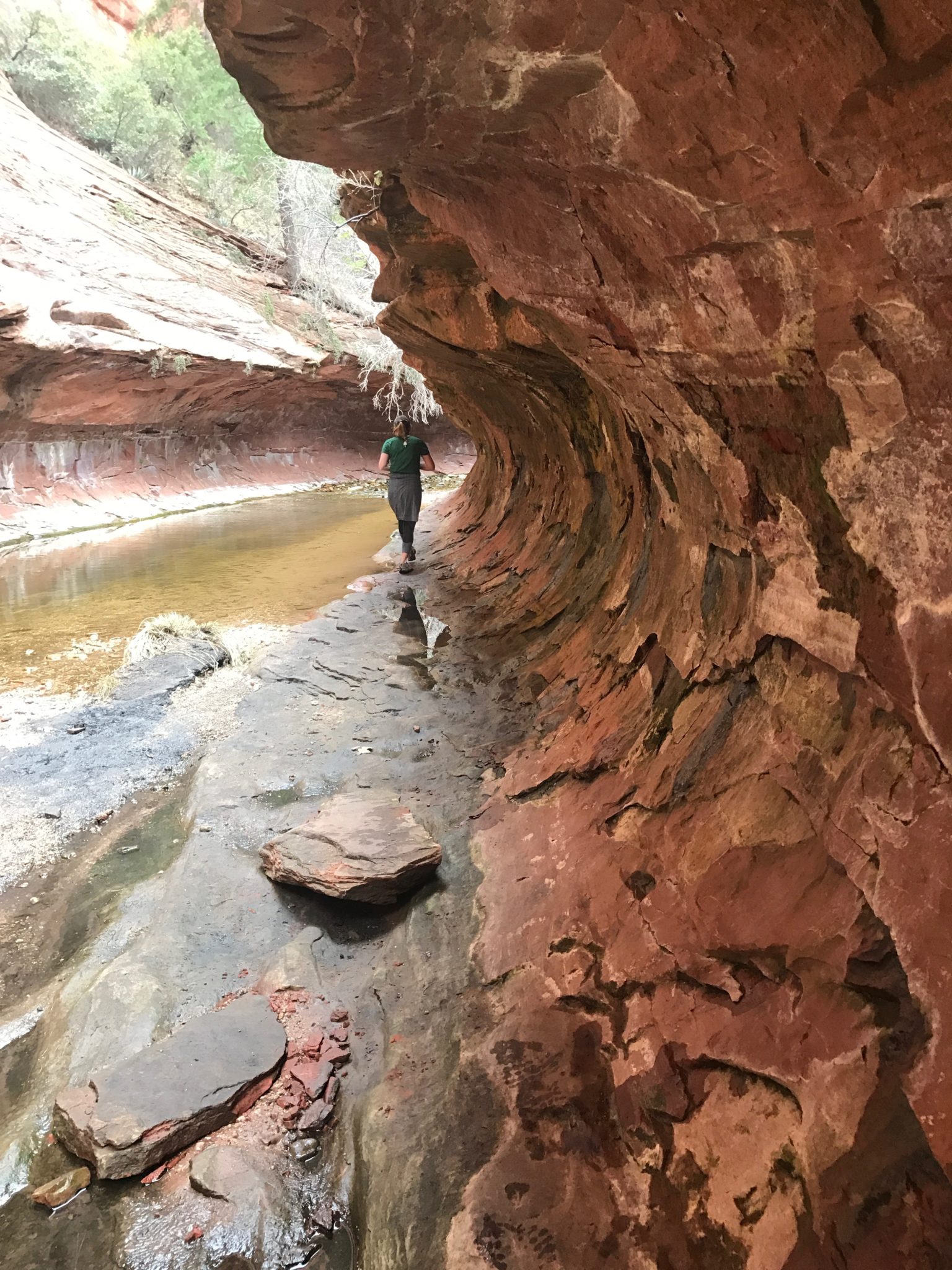
On the thirteenth anniversary of my mom’s death, my daughter, who happens to be named after my mother, and I spent some time during her spring break hiking and having a healthy vacation in Sedona, AZ. The scenery was spectacular. We were getting up early, doing yoga, and eating well. We even had a spa day, something my mother would have had a hard time indulging in.  But she was definitely with us.

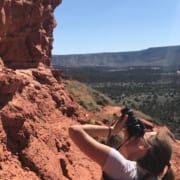
I sense her pride in our relationship, always nearby rooting us on. She is proud of the women we are, and that we have become those women partly to honor her. To honor all the things she was unable to do. After climbing a beautiful path up a red rock formation, we stopped to take a break and I knew it was the right place.  How I wish she was still with us in person. But she was with us in spirit, she always is.

Home for the Holidays: Parenting in the College Years

img_2341

My last two blog posts covered far-reaching trips I’ve recently taken to Africa and South America.  When people asked me what our plans were for this holiday season,  I think they were expecting a more exotic reply, but I was happy to answer, “A good ‘ol family staycation…”  The two kids that are still in college requested that we don’t go anywhere this year, and John and I were more than happy to oblige.

The lack of plans allowed them to spend time with high school friends as well as for us to visit with other families in Boston.  Yes there are dentist appointments in the mix,….  but here are some highlights of our staycation:

·      Home cookin’…..  after months at college, the kiddoes are craving family classics

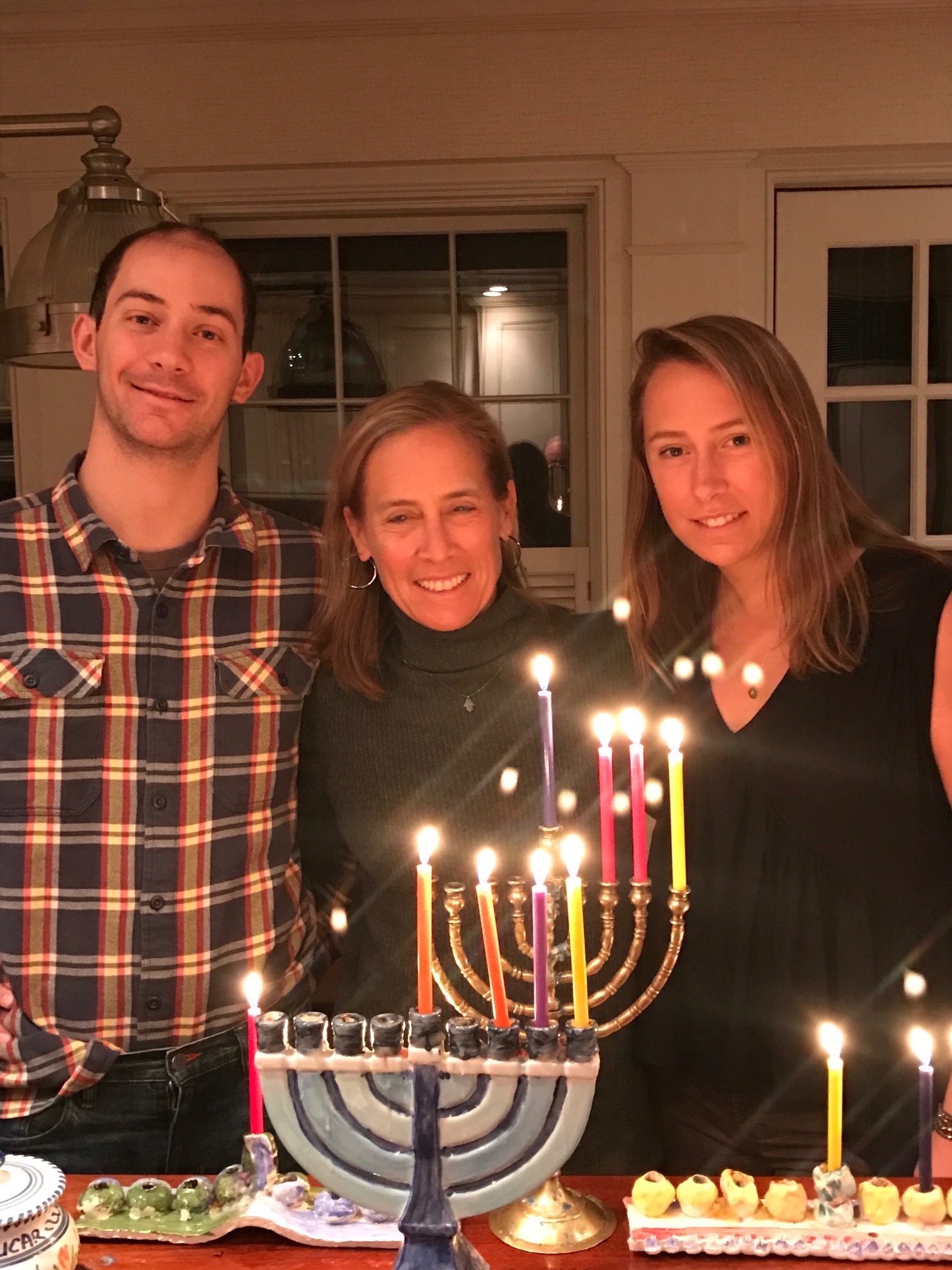
·      Lighting our menorah – first time in a long time kids are home for all nights of Hanukah

·      Shabbat dinners – Jack, our son in the workforce and Emily, his girlfriend, will be able to join us on 12/30!

·      Fires in the fireplace

·      Chinese Food (when we’re not home cookin’)

·      Family squash /yoga / soul cycle

·      Going to the movies – “Lalaland” was great, next up “Office Christmas Party” and “Star Wars”

·      Playing hearts at the kitchen table

·      Rocking to The Roots at the House of Blues

·      Going to the TD Garden to watch the Celtics and the Bruins

Best of all, time for reading – I’m reading Heat & Light by Jennifer Haigh – which I am loving.  Jennifer will be joining our book group for a special dinner party in early January !!

…AND writing!  I set a goal of finishing a manuscript by the end of 2016 and I’ll be damned, with some late nights, I am going to make it!  So after you wet your appetite with EDEN, you shouldn’t have to wait too long….

If you are enjoying your own staycation this week, I would love to hear your highlights…

Melody Beatty’s daily meditation in Journey to the Heart for December 26 gets to the core of it:


We search for sacred spaces, spiritual

experiences, and truths.  But the holiest

places are often found when we spend

time with people we love.

May your home be the sanctuary you crave.

Love and Peace in 2017